Saturday, September 5, 2026
West Coast
WEST ON MY BACK
Hip-Hop · G-Funk · Gangsta Rap
Trending Now
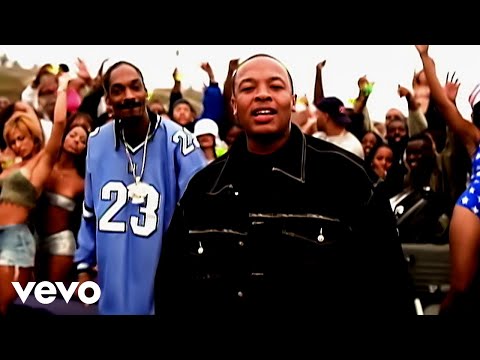
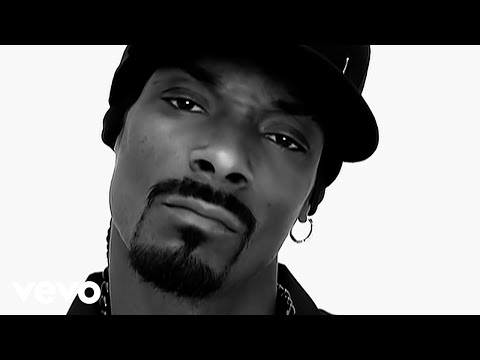
  • The Game drops "The Documentary III" ft. Drake, Snoop Dogg & Lil Wayne
  • Kurupt & DJ Battlecat go home to Death Row with "Tales From My Hood"
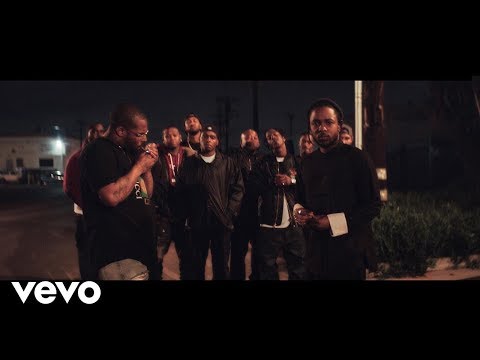
  • Xzibit breaks a 13-year silence with "Kingmaker"
  • Nipsey Hussle & Bino Rideaux's "Prolific" finally arrives
  • Cypress Hill go all-Spanish on "Dios Bendiga"
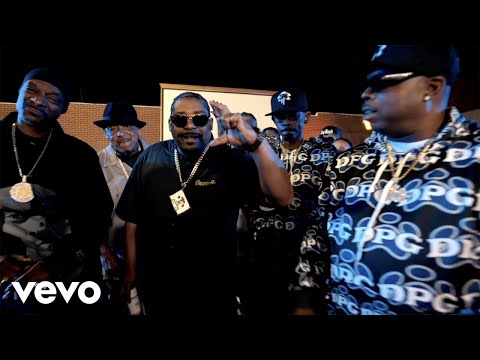
  • Eazy-E, Ice-T, Spice 1 & Kid Frost added to the Vault
  • The Game drops "The Documentary III" ft. Drake, Snoop Dogg & Lil Wayne
  • Kurupt & DJ Battlecat go home to Death Row with "Tales From My Hood"
  • Xzibit breaks a 13-year silence with "Kingmaker"
  • Nipsey Hussle & Bino Rideaux's "Prolific" finally arrives
  • Cypress Hill go all-Spanish on "Dios Bendiga"
  • Eazy-E, Ice-T, Spice 1 & Kid Frost added to the Vault

Every official West Coast visual we're rotating — filter by artist, hit play, stay a while. Go to Video →

West On My Back is a West Coast hip-hop archive and promotion platform. We cover the whole map of West Coast rap — G-funk and gangsta rap out of Compton, Long Beach and South Central Los Angeles; Chicano rap from East LA; and hyphy and mob music from Oakland, Vallejo and the wider Bay Area. From 2Pac, N.W.A, Dr. Dre, Snoop Dogg and Ice Cube to Kendrick Lamar, YG, Nipsey Hussle and the producers and DJs who built the sound.

Origins · G-Funk

The G-Funk Blueprint: How Dr. Dre Rebuilt Hip-Hop in 1992

When Dr. Dre left Ruthless Records and released The Chronic in December 1992, he did more than launch Death Row Records and introduce a 20-year-old Snoop Doggy Dogg. He codified a sound: slow, rolling tempos, live Moog synthesizer leads, thick P-Funk and Parliament-Funkadelic samples, and Nate Dogg's baritone hooks tying it all together.

That template — G-funk — ran West Coast rap radio for the rest of the decade. Warren G's Regulate...G Funk Era, Snoop's Doggystyle, Tha Dogg Pound's Dogg Food, 2Pac's All Eyez on Me and DJ Quik's catalog all pull from the same well. Producers like DJ Battlecat, Soopafly, Fredwreck and Cold 187um of Above the Law kept refining it long after the Death Row era ended.

Watch the G-funk videos →
Compton · Gangsta Rap

From the Streets to the World: N.W.A at the Center of the Storm

N.W.A — Eazy-E, Dr. Dre, Ice Cube, MC Ren and DJ Yella, with Arabian Prince and ghostwriter The D.O.C. in the orbit — turned a police-pressure Compton zip code into the loudest voice in American music. Straight Outta Compton (1988) sold millions with no radio play and drew a warning letter from the FBI over "Fuck tha Police."

The group fractured fast — Ice Cube to a solo run and Westside Connection with WC and Mack 10; Dre to Death Row and then Aftermath; Eazy-E holding Ruthless until his death in 1995 — but the blast radius never really settled. Every Compton artist since, from The Game to Kendrick Lamar to YG, is working in the shadow it cast.

Watch the Compton videos →
The Bay · Hyphy

The Bay Speaks Its Own Language: E-40, Slang and the Hyphy Movement

Northern California built its own rap economy — independent labels, trunk sales and a vocabulary all its own. Too $hort in Oakland was selling tapes out of a car in the mid-'80s; Vallejo's E-40 has been minting slang since the early '90s with The Click and Sick Wid It Records. Spice 1, Mac Dre, Keak da Sneak and the whole Bay underground ran parallel to LA, rarely crossing over but never stopping.

In the mid-2000s it finally broke nationally as hyphy — high-BPM, synth-heavy party music powered by producer Rick Rock and his group The Federation. E-40's "Tell Me When To Go" and The Federation's "Hyphy" put ghost-riding the whip and going "dumb" on MTV. The Bay influence runs straight through to today's YG, Mustard and the ratchet sound.

Watch the Bay Area videos →

West Coast rap — also called West Coast hip-hop, West Side rap or California rap — is the sound that came out of Los Angeles, Compton, Long Beach, South Central and the San Francisco Bay Area from the mid-1980s on. Ice-T and Too $hort laid the groundwork; N.W.A's Straight Outta Compton (1988) launched gangsta rap as a national force; and Dr. Dre's The Chronic (1992) defined G-funk — the slow, synth-and-funk-sample sound that ran the '90s.

The map keeps widening: Chicano rap from East LA (Kid Frost, Cypress Hill), the Bay Area's independent economy and the hyphy movement (E-40, The Federation), and a modern generation — Kendrick Lamar, Nipsey Hussle, YG, Mustard — carrying it forward.

West On My Back is a growing archive of it: West Coast rap music videos from the classics to new 2026 drops, the artist roster, and the DJs and producers who built the sound.